


C&P Random Thread -


Thread Starter
Moderator Alumnus


Joined: Mar 2002
Posts: 64,158
Likes: 14,307
http://www.flickr.com/photos/delobbo/?details=1
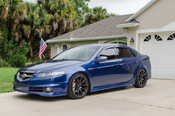



Needs more Lemon Pledge
Joined: Mar 2005
Posts: 52,768
Likes: 2,000
From: Phoenix, AZ
eh. they don't like that new view. they should just change whatever shortcut they are using to get to their flickr, to the "Edit" view, which is the old view.
http://www.flickr.com/photos/delobbo/?details=1
http://www.flickr.com/photos/delobbo/?details=1
Thread Starter
Moderator Alumnus
Joined: Mar 2002
Posts: 64,158
Likes: 14,307

Needs more Lemon Pledge
Joined: Mar 2005
Posts: 52,768
Likes: 2,000
From: Phoenix, AZ
I found a few on google but did not know of anyone had one they recommend.

I miss my 03 CL-S :(
Joined: Feb 2002
Posts: 7,140
Likes: 445
From: Washington, DC
Also noticed they took away all the maps stuff, apparently... Geotagging was a big part of flickr when it first started... Now they don't even show the little map on the photo pages. Lame.

Thread Starter
Moderator Alumnus
Joined: Mar 2002
Posts: 64,158
Likes: 14,307
I don't see the little map but it looks like that's the only map-related thing they took away? 
tfHCwvo.png
tfHCwvo.png



I Shoot with a Camera


Joined: Oct 2001
Posts: 23,082
Likes: 3,683
From: Vancouver BC
The ONE time I turned the GPS mode on (just to make sure it works), took some photos with it, noticed the coordinates were tagged when I reviewed the photos on the LCD, I just assumed that when I uploaded the photos that the location would already there... But, no...


Thread Starter
Moderator Alumnus
Joined: Mar 2002
Posts: 64,158
Likes: 14,307
^^^ you have my attention........
this dude is being sued for taking these photos - they were noticed because they were in an exhibit
http://www.saulgallery.com/chronicle/svenson_2013.htm
http://www.courthousenews.com/2013/05/24/57929.htm
this dude is being sued for taking these photos - they were noticed because they were in an exhibit
http://www.saulgallery.com/chronicle/svenson_2013.htm
http://www.courthousenews.com/2013/05/24/57929.htm
Parents Blast Photographer for Telephoto Shots
By ADAM KLASFELD
MANHATTAN (CN) - A Manhattan photographer featured in this week's New Yorker magazine violated privacy by using a telephoto lens to shoot photos of people through the window of their apartment, a family claims in court.
Photographer Arne Svenson's project and show are the subject of the second Talk of the Town article in next week's New Yorker magazine. The article by Raffi Khatchadourian does not mention the legal implications of how Svenson got the photos for his exhibit, "The Neighbors," at the Julie Saul Gallery through June in the Chelsea neighborhood.
Martha and Matthew Foster sued Svenson in New York County Court, on behalf of themselves and their minor children. The gallery is not a party to the complaint.
The Fosters live across the street from Svenson's studio, and say in their complaint that they had no inkling that he used them as his subjects for more than a year.
"On or about April 29, 2013, plaintiffs learned that an article had appeared in the Tribeca Citizen, a weekly news journal covering their neighborhood, which included a photograph of plaintiff Martha Foster holding her daughter Delaney inside their apartment," the complaint states.
Svenson intended to use the photo "in his May 9, 2013, exhibition at a Manhattan gallery," according to the complaint.
The Fosters say they learned later that Foster had been "surreptitiously photographing" them and other building residents for more than a year, starting in 2012.
Svenson may have taken "thousands of such unauthorized photographs" of his neighbors, the complaint states.
The Fosters say they did not consent to be photographed, and would have refused if asked.
They say they were "deeply distressed" to find that their "children's faces were clearly recognizable," potentially "compromising their safety and security."
"Plaintiffs were also greatly frightened and angered by defendant's utter disregard for their privacy and the privacy of their children," the complaint states. "Plaintiffs now fear that they must keep their shades drawn at all hours of the day in order to avoid telephoto photography by a neighbor who happens to be a professional photographer."
The Fosters claim that Svenson stands to profit handsomely from "The Neighbors." A bit of Internet research showed that a Los Angeles gallery's exhibition quoted pictures of the children at $5,000 to $7,500 apiece, according to the complaint.
"Upon information and belief, Svenson intends to sell five prints of 'Neighbors #6' and 'Neighbors #12' for a total of $50,000-$75,000," the complaint states.
"Neighbors #6 shows Martha Foster holding her son James, with her daughter Delaney standing beside her. Delaney is wearing a bathing suit and James is wearing a diaper.
"Neighbors #12 shows Martha Foster holding Delaney in her arms. Delaney is wearing a bathing suit."
Svenson's press statements demonstrate his "disregard" of privacy concerns, the Fosters say.
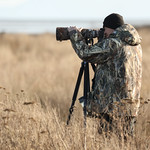
"For my subjects there is no question of privacy," Svenson said in a promotional statement, according to the complaint. "The neighbors don't know they are being photographed; I carefully shoot from the shadows of my home into theirs. I am not unlike the birder, quietly waiting for hours, watching for the flutter of a hand or the movement of a curtain as an indication that there is life within."
Martha Foster claims she told Foster that she does indeed have questions about her family's privacy.
"Greatly concerned for the safety and security of her children, plaintiff Martha Foster contacted Svenson on or about May 2, 2013, to express her concerns and attempted to resolve the situation amicably," the complaint states. "Defendant was unwilling to completely stop selling and displaying images of plaintiffs' children."
After this conversation, the Fosters retained attorneys and publicity for Svenson's project exploded, with NBC, CBS and ABC, the Washington Post, Los Angeles Times and New York Post lining up to profile the photographs, according to the complaint.
"These videos and articles include photographs that clearly picture plaintiffs' apartment building and many provide its address. 'Neighbors #12' continues to be displayed on a Facebook web page attributed to Svenson," the complaint states.
The Fosters seek actual and exemplary damages for intentional infliction of emotional distress and an injunction to stop the dissemination of the photographs.
They are represented by Richard Menaker with Menaker & Herrmann.
An attorney specializing in First Amendment issues said that case law generally permits photographing from public property with a non-magnifying lens, but shooting through windows into private spaces with a telephoto raises privacy concerns.
Svenson did not immediately respond to a request for comment.
By ADAM KLASFELD
MANHATTAN (CN) - A Manhattan photographer featured in this week's New Yorker magazine violated privacy by using a telephoto lens to shoot photos of people through the window of their apartment, a family claims in court.
Photographer Arne Svenson's project and show are the subject of the second Talk of the Town article in next week's New Yorker magazine. The article by Raffi Khatchadourian does not mention the legal implications of how Svenson got the photos for his exhibit, "The Neighbors," at the Julie Saul Gallery through June in the Chelsea neighborhood.
Martha and Matthew Foster sued Svenson in New York County Court, on behalf of themselves and their minor children. The gallery is not a party to the complaint.
The Fosters live across the street from Svenson's studio, and say in their complaint that they had no inkling that he used them as his subjects for more than a year.
"On or about April 29, 2013, plaintiffs learned that an article had appeared in the Tribeca Citizen, a weekly news journal covering their neighborhood, which included a photograph of plaintiff Martha Foster holding her daughter Delaney inside their apartment," the complaint states.
Svenson intended to use the photo "in his May 9, 2013, exhibition at a Manhattan gallery," according to the complaint.
The Fosters say they learned later that Foster had been "surreptitiously photographing" them and other building residents for more than a year, starting in 2012.
Svenson may have taken "thousands of such unauthorized photographs" of his neighbors, the complaint states.
The Fosters say they did not consent to be photographed, and would have refused if asked.
They say they were "deeply distressed" to find that their "children's faces were clearly recognizable," potentially "compromising their safety and security."
"Plaintiffs were also greatly frightened and angered by defendant's utter disregard for their privacy and the privacy of their children," the complaint states. "Plaintiffs now fear that they must keep their shades drawn at all hours of the day in order to avoid telephoto photography by a neighbor who happens to be a professional photographer."
The Fosters claim that Svenson stands to profit handsomely from "The Neighbors." A bit of Internet research showed that a Los Angeles gallery's exhibition quoted pictures of the children at $5,000 to $7,500 apiece, according to the complaint.
"Upon information and belief, Svenson intends to sell five prints of 'Neighbors #6' and 'Neighbors #12' for a total of $50,000-$75,000," the complaint states.
"Neighbors #6 shows Martha Foster holding her son James, with her daughter Delaney standing beside her. Delaney is wearing a bathing suit and James is wearing a diaper.
"Neighbors #12 shows Martha Foster holding Delaney in her arms. Delaney is wearing a bathing suit."
Svenson's press statements demonstrate his "disregard" of privacy concerns, the Fosters say.
"For my subjects there is no question of privacy," Svenson said in a promotional statement, according to the complaint. "The neighbors don't know they are being photographed; I carefully shoot from the shadows of my home into theirs. I am not unlike the birder, quietly waiting for hours, watching for the flutter of a hand or the movement of a curtain as an indication that there is life within."
Martha Foster claims she told Foster that she does indeed have questions about her family's privacy.
"Greatly concerned for the safety and security of her children, plaintiff Martha Foster contacted Svenson on or about May 2, 2013, to express her concerns and attempted to resolve the situation amicably," the complaint states. "Defendant was unwilling to completely stop selling and displaying images of plaintiffs' children."
After this conversation, the Fosters retained attorneys and publicity for Svenson's project exploded, with NBC, CBS and ABC, the Washington Post, Los Angeles Times and New York Post lining up to profile the photographs, according to the complaint.
"These videos and articles include photographs that clearly picture plaintiffs' apartment building and many provide its address. 'Neighbors #12' continues to be displayed on a Facebook web page attributed to Svenson," the complaint states.
The Fosters seek actual and exemplary damages for intentional infliction of emotional distress and an injunction to stop the dissemination of the photographs.
They are represented by Richard Menaker with Menaker & Herrmann.
An attorney specializing in First Amendment issues said that case law generally permits photographing from public property with a non-magnifying lens, but shooting through windows into private spaces with a telephoto raises privacy concerns.
Svenson did not immediately respond to a request for comment.

I Shoot with a Camera
Joined: Oct 2001
Posts: 23,082
Likes: 3,683
From: Vancouver BC
Got you all top off... she has a youtube channel...
Underwater Photography Solutions - YouTube
And of course, she shoots Nikon for main body...
Underwater Photography Solutions - YouTube
And of course, she shoots Nikon for main body...

and she wears little to no makeup, which makes her even more sexier


nnInn
Joined: Mar 2006
Posts: 37,670
Likes: 1,084
^^^ you have my attention........
this dude is being sued for taking these photos - they were noticed because they were in an exhibit
http://www.saulgallery.com/chronicle/svenson_2013.htm
http://www.courthousenews.com/2013/05/24/57929.htm
this dude is being sued for taking these photos - they were noticed because they were in an exhibit
http://www.saulgallery.com/chronicle/svenson_2013.htm
http://www.courthousenews.com/2013/05/24/57929.htm
Thread Starter
Moderator Alumnus
Joined: Mar 2002
Posts: 64,158
Likes: 14,307


Cool website I just stumbled across...
http://photographyconcentrate.com/
And I learned that DNG files shouldn't be deleted when you look at them and go "wtf is that?" DELETE lol
And in case you're wondering what DNG files are...
http://photographyconcentrate.com/sh...u-convert-dng/
http://photographyconcentrate.com/
And I learned that DNG files shouldn't be deleted when you look at them and go "wtf is that?" DELETE lol
And in case you're wondering what DNG files are...
http://photographyconcentrate.com/sh...u-convert-dng/

Thread Starter
Moderator Alumnus
Joined: Mar 2002
Posts: 64,158
Likes: 14,307
I love his attitude, yes it would be challenging, but not impossible. The attitude of an true inventor / innovator.

http://news.cnet.com/8301-11386_3-57...rketplace-q-a/
http://news.cnet.com/8301-11386_3-57...rketplace-q-a/
Sigma's new 18-35mm F1.8 DC HSM lens looks interesting, especially because of its wide aperture across the whole zoom range. But it's for APS-C sensor cameras only. [The f1.8 design offers a wider aperture even than the f2.8 setting that's generally the fastest available on full-frame zoom lenses, but smaller APS-C sensors have a deeper depth of view for a given angle of view. Going all the way to f1.8 means a smaller-frame SLR can better match a full-frame SLR when a photographer wants a shallow depth of field to blur out backgrounds.] Could you scale the design up to make a 27-53mm f1.8 for full-frame cameras, or would that be too bulky?
Yamaki: Yes, that lens would be very bulky, and it would be challenging to develop that lens for all mounts, especially for Nikon's smaller lens mount fit. Having said that, it does not mean it would be "impossible." We've made significant breakthroughs before and we'll continue to strive for that level of ongoing photographic advancement.
Yamaki: Yes, that lens would be very bulky, and it would be challenging to develop that lens for all mounts, especially for Nikon's smaller lens mount fit. Having said that, it does not mean it would be "impossible." We've made significant breakthroughs before and we'll continue to strive for that level of ongoing photographic advancement.


I Shoot with a Camera
Joined: Oct 2001
Posts: 23,082
Likes: 3,683
From: Vancouver BC
Polaroid bare-bulb flash for $100?

http://www.lightingrumours.com/polar...and-nikon-4086
A flashgun has appeared called the Polaroid PL-135, a sub-$100 bare-bulb speedlight suitable for enthusiast photographers, available in the USA and UK.
It has the specifications of a typical aftermarket flash, but the flash tube protrudes from the head instead of sitting inside. This configuration allows for a “bare-bulb” effect, where the light is free to travel in all directions to fill a space, be it a room, a studio backdrop or a light-shaping tool such as a softbox. Think of it like the difference between a Maglite and a bare light bulb.
This new Polaroid PL-135 — a rebranded Triopo TR120 — is much cheaper than professional-grade bare-bulb equipment such as the Cheetah Light CL-180 or Quantum Qflash and, unlike those systems, runs on common AA batteries without needing a high voltage battery pack to operate. In fact, it is in some ways similar to the Sunpak 120J, a long-discontinued flashgun that still fetches high prices second-hand.
Two different models will be available — one for Canon and one for Nikon — supporting E-TTL and i-TTL automatic exposure control, respectively. There is also a manual power adjustment mode and a stroboscopic multi-flash feature. No high-speed sync (HSS), though.
In the flash body is an autofocus-assist lamp and an optical slave sensor. The head can swivel horizontally 360° and tilt vertically 90°. An optional external power source may be connected for longer battery life and faster flash recycle times. There is a Prontor-Compur (PC) port and a metal hotshoe foot for synchronisation.
The PL-135 purportedly comes with a reflector and diffusion panel but it is not clear whether other light-shaping accessories will be available. Click the following listings for further information.
Polaroid PL-135 for Canon E-TTL: USA – $99.99 / UK – £89.99
Polaroid PL-135 for Nikon i-TTL: USA – $99.99 / UK – £89.99
At the time of writing we haven’t seen any reference to the Polaroid PL-135 anywhere else, so caveat emptor. However, the UK listings are Fulfilled by Amazon so everything appears to be above board. We have contacted Polaroid for official confirmation and will update this article when they respond.
What do you think? Would you buy one?
It has the specifications of a typical aftermarket flash, but the flash tube protrudes from the head instead of sitting inside. This configuration allows for a “bare-bulb” effect, where the light is free to travel in all directions to fill a space, be it a room, a studio backdrop or a light-shaping tool such as a softbox. Think of it like the difference between a Maglite and a bare light bulb.
This new Polaroid PL-135 — a rebranded Triopo TR120 — is much cheaper than professional-grade bare-bulb equipment such as the Cheetah Light CL-180 or Quantum Qflash and, unlike those systems, runs on common AA batteries without needing a high voltage battery pack to operate. In fact, it is in some ways similar to the Sunpak 120J, a long-discontinued flashgun that still fetches high prices second-hand.
Two different models will be available — one for Canon and one for Nikon — supporting E-TTL and i-TTL automatic exposure control, respectively. There is also a manual power adjustment mode and a stroboscopic multi-flash feature. No high-speed sync (HSS), though.
In the flash body is an autofocus-assist lamp and an optical slave sensor. The head can swivel horizontally 360° and tilt vertically 90°. An optional external power source may be connected for longer battery life and faster flash recycle times. There is a Prontor-Compur (PC) port and a metal hotshoe foot for synchronisation.
The PL-135 purportedly comes with a reflector and diffusion panel but it is not clear whether other light-shaping accessories will be available. Click the following listings for further information.
Polaroid PL-135 for Canon E-TTL: USA – $99.99 / UK – £89.99
Polaroid PL-135 for Nikon i-TTL: USA – $99.99 / UK – £89.99
At the time of writing we haven’t seen any reference to the Polaroid PL-135 anywhere else, so caveat emptor. However, the UK listings are Fulfilled by Amazon so everything appears to be above board. We have contacted Polaroid for official confirmation and will update this article when they respond.
What do you think? Would you buy one?


