


Color Sanding ??????


like the primer beneath. acura paint isnt known for being overly thick.....not to mention color sanding is something ususally done before they clearcoat is applied isnt it?
Suzuka Master
Joined: Oct 2005
Posts: 7,424
Likes: 294
From: Trail BC CanaDUH
Most the time the orange peel is in the clear anyway ... BUT .. unless your trained .. its risky ... it doesn't take much to go through the clear and once you do its reclear the panel .
If you use a PC and patience you can get rid of a lot of the orange peel .. I did it on my VW and the paint there is extreemly hard .. but it was hours and the results were astounding.

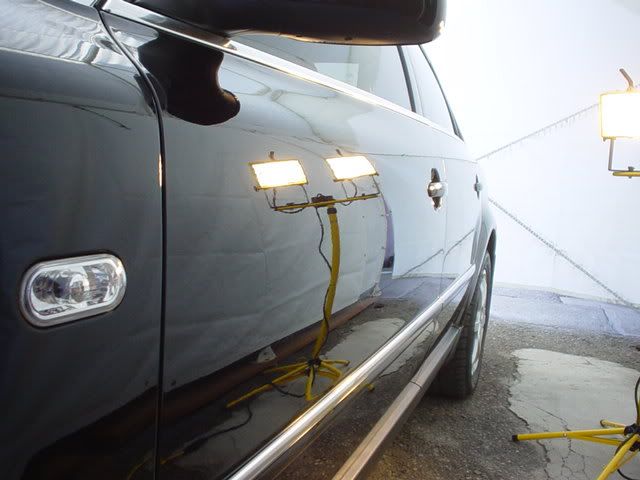
If you use a PC and patience you can get rid of a lot of the orange peel .. I did it on my VW and the paint there is extreemly hard .. but it was hours and the results were astounding.

not vtech... VTEC!!!
Joined: Nov 2005
Posts: 1,128
Likes: 9
From: DC/MD/VA
Suzuka Master
Joined: Oct 2005
Posts: 7,424
Likes: 294
From: Trail BC CanaDUH

http://www.coastaltool.com/cgi-bin/SoftCart.exe/a/port/pr7424.htm?L+coastest+bqzg3890ffd18ed1+1143924563
Prolly the best price out there for the PC and backing plate .
Trending Topics

Senior Moderator
Joined: Jan 2004
Posts: 6,360
Likes: 66
From: Ft. Lauderdale
 Florida Orange Peel
Originally Posted by tad4774
did yours take out any orange peel ?
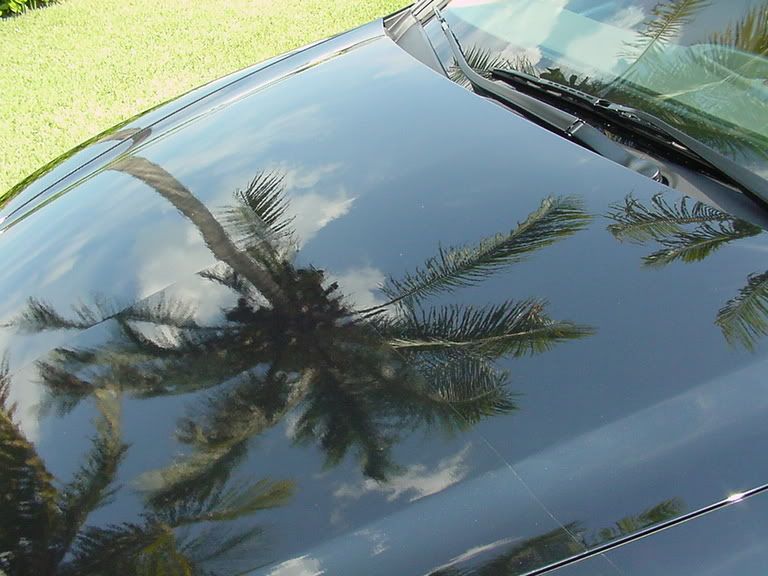
I believe what orange peel I have is in the color coat. If there is orange peel in the clear coat, I'm sure that will improve with multiple waxings/sealings as the peaks wear in.
My belief is that orange peel is caused by too much air pressure in the paint guns. Or, recoating while the first coat is stll too wet. These are things that manufacturers can and should fix. But, I have seen terrible orange peeling on BMWs and M-Bs. It may be compounded (pun not intended) by the new water borne paints used for environmental reasons.
M-B is supposed to have a new ceramic paint process starting with mid 2005 models. I wonder how that is working out?

Intermediate
Joined: Mar 2005
Posts: 27
Likes: 2
From: Ottawa, Canada
In my experience visible orange peel is always in the clearcoat and is present in most urethane finishes to some extent. Generally it is worse when atomization pressure is too low, when insufficient reducing solvent is used, or when the reducing solvent evaporates too quickly, due to a variety of reasons. These conditions can all be controlled to a great extent in the factory, but to a lesser extent in bodyshops.
Urethane paints (the common automotive finish these days) are prone to have orange peel, even when all painting variables are optimized, and for this reason most high end paint jobs are color sanded and compounded to compensate. Sanding flattens the peel, but dulls the finish. Compounding brings the shine back after sanding. In theory this process could be used on factory paint, but most paint detailers shy away from this since factory clearcoat is typically very thin and it is too easy to cut through the clear. If the clearcoat is broken through, it must be repaired with base and clear. Refinishers often add an extra coat of clear if color sanding is planned, for insurance against sand-thrus.
Compounding with a polisher/buffer removes a bit of clearcoat each time it is used. It will not remove orange peel effectively, since the polishing pad works on the lows as well as the highs. It is extremely easy to cut through the clearcoat even when using a mildly agressive compound, especially on edges and peaks. Some people use masking tape to protect these vulnerable areas while compounding. Buffer speed is critical too.
My '05 TL has a moderate amount of orange peel, as does every other one I've looked at. Not bad compared to many other cars. The RLs I've seen are really flat, but I was told they color sand at the factory. My advice is to leave well enough alone......the TL looks pretty good even with a bit of orange peel and it is not worth the risk to try to make it better.
Urethane paints (the common automotive finish these days) are prone to have orange peel, even when all painting variables are optimized, and for this reason most high end paint jobs are color sanded and compounded to compensate. Sanding flattens the peel, but dulls the finish. Compounding brings the shine back after sanding. In theory this process could be used on factory paint, but most paint detailers shy away from this since factory clearcoat is typically very thin and it is too easy to cut through the clear. If the clearcoat is broken through, it must be repaired with base and clear. Refinishers often add an extra coat of clear if color sanding is planned, for insurance against sand-thrus.
Compounding with a polisher/buffer removes a bit of clearcoat each time it is used. It will not remove orange peel effectively, since the polishing pad works on the lows as well as the highs. It is extremely easy to cut through the clearcoat even when using a mildly agressive compound, especially on edges and peaks. Some people use masking tape to protect these vulnerable areas while compounding. Buffer speed is critical too.
My '05 TL has a moderate amount of orange peel, as does every other one I've looked at. Not bad compared to many other cars. The RLs I've seen are really flat, but I was told they color sand at the factory. My advice is to leave well enough alone......the TL looks pretty good even with a bit of orange peel and it is not worth the risk to try to make it better.
Senior Moderator


Joined: Aug 2002
Posts: 81,385
Likes: 3,068
From: Appleton WI
Originally Posted by MichaelBenz
like the primer beneath. acura paint isnt known for being overly thick.....not to mention color sanding is something ususally done before they clearcoat is applied isnt it?

Thread
Thread Starter
Forum
Replies
Last Post
jterp7
3G MDX (2014-2020)
9
Feb 3, 2016 08:34 PM
ExcelerateRep
4G TL Performance Parts & Modifications
8
Oct 14, 2015 08:20 AM
