


Comptech vs. AEM


Okay this has gone on long enough.
Here's the end to the AEM vs. Comptech debate:
The following are differences and characteristics between the two systems.
Note: The AEM and Injen intakes are extremely similar in design, performance, and cost. Therefore any comments made regarding the AEM intake for the CL-S in this post can also be made about the Injen.
1) Availability. First and foremost, Comptech has announced they are going out of business. It is yet to be seen if this is a permanent decision or if Comptech will resurface again; possibily under another name or they may work out their problems and keep the doors open.
Having said that, unless you can find a used Comptech IceBox for sale here on the forum or on eBay or other online retailers you aren't going to be able to get your hands on one.
2) Cost. The Comptech IceBox costs $290 direct from Comptech but I believe I've seen it for sale new as low as $250. I've seen pricing for the AEM intake as high as $280. The Injen is cheaper. I believe around $160. When purchased used the pricing structure stays roughly the same Comptech>AEM>Injen. Used IceBox's go for $150-200. AEM intakes used sell for roughly the same price. Injen's around $100.
3) Performance. AEM claims 9-10whp; Comptech claims 14whp on a 6-speed. (Which the topic starter stated he owns). The difference between 9-10whp and 14whph is only noticeable on the dyno. Not on the track or the street are you going to notice a difference in power or overall performance. 4-5whp is not enough of an increase to justify anyone saying "Comptech makes more power." While the advertised power is more it is a negligible difference.
4) Design. The Comptech IceBox is constructed with OEM quality (if not better) plastics while the AEM intake is metal. The OEM quality plastic will not heat up as much nor will it hold heat the way the metal AEM intake will. That's just the nature of the material.
Both intakes have cone type filters. The AEM filter is placed down low near the front bumper beneath the engine compartment. Thus, drawing air which is colder than the air within the engine bay. The Comptech IceBox uses a foam cone filter which is located within a plastic "box" that is located in the factory position. Beneath the plastic box where the foam cone filter resides is a plastic elbow or "horn" as it is commonly referred to. The horn extends from the center of the filter box and bends 90 degrees towards the front of the car. This design allows cold air to be drawn from outside the engine bay and then into the filter which is located within the engine bay.
The Comptech IceBox looks like it could be OEM parts. The AEM on the other hand is unmistakably aftermarket equipment.
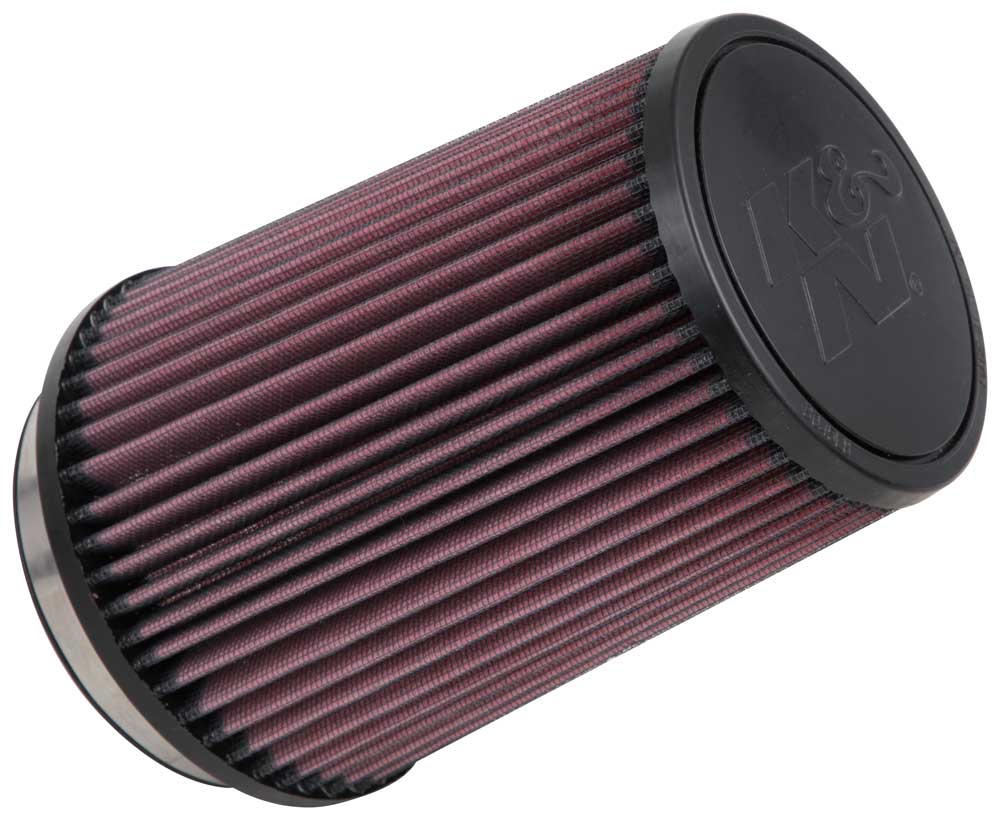
The Comptech foam cone filter can be replaced with a K&N paper filter (part number KN RU-2590) The filter costs $30-40. The Comptech foam cone filter has a plastic pin to assist in aligning the filter. The K&N replacement does not have this pin. The plastic pin is not needed.
5) Hydro-lock. Due to the design of the AEM cold air intake for the CL-S/TL-S (and most traditional cold air intakes for that matter) it is possible to cause a condition called "hydro-lock" in which water is introduced within the engine. Since water is neither combustible or compressible it will cause severe engine damage if allowed to enter the cylinder head and/or the cylinder block. Crack blocks, pistons, rods, bend valves, etc. The placement of the cone filter so low to the ground increases the chances of introducing water into the intake. Especially if driving through large puddles.
The Comptech IceBox places the filter much higher in the car; in the factory position. While the chances for hydro-lock are not eliminated the design of the IceBox does offer added protection from hydro-lock while driving through water puddles on the road. Hydro-lock is still possible though (as it is with a 100% stock vehicle).
6) Ice in the IceBox. While I've heard this is possible I don't believe there would be much benefit. The ice would need to be placed in a bag so that water was not sucked through the cone filter and the bag would need to be secured so that it did not prevent air from fully being pulled through the filter. The presence of ice within the IceBox would likely do more harm than good by causing air restriction. The ice would melt within a few minutes and lose it's affect. If you'd like to cool down the intake temp prior to a run down the track than placing ice on the filter box will do the job quite well. Placing ice on the intake manifold will do an even better job of cooling down the intake air temperature (IAT). If your car is supercharged you are more than likely using the IceBox that was included in the kit. However I know some people have chosen to modify the kit to use a more traditional cold air intake.
7) Sound. The sound from the AEM intake is louder than the Comptech IceBox. Although the two sound similar. The AEM intake makes sucking or hissing noises at very low speeds and at idle. The Comptech Icebox does not make noises at idle or low-speeds.
Sound is a matter of preference. And really, sound is the biggest difference between the two systems.
Here's the end to the AEM vs. Comptech debate:
The following are differences and characteristics between the two systems.
Note: The AEM and Injen intakes are extremely similar in design, performance, and cost. Therefore any comments made regarding the AEM intake for the CL-S in this post can also be made about the Injen.
1) Availability. First and foremost, Comptech has announced they are going out of business. It is yet to be seen if this is a permanent decision or if Comptech will resurface again; possibily under another name or they may work out their problems and keep the doors open.
Having said that, unless you can find a used Comptech IceBox for sale here on the forum or on eBay or other online retailers you aren't going to be able to get your hands on one.
2) Cost. The Comptech IceBox costs $290 direct from Comptech but I believe I've seen it for sale new as low as $250. I've seen pricing for the AEM intake as high as $280. The Injen is cheaper. I believe around $160. When purchased used the pricing structure stays roughly the same Comptech>AEM>Injen. Used IceBox's go for $150-200. AEM intakes used sell for roughly the same price. Injen's around $100.
3) Performance. AEM claims 9-10whp; Comptech claims 14whp on a 6-speed. (Which the topic starter stated he owns). The difference between 9-10whp and 14whph is only noticeable on the dyno. Not on the track or the street are you going to notice a difference in power or overall performance. 4-5whp is not enough of an increase to justify anyone saying "Comptech makes more power." While the advertised power is more it is a negligible difference.
4) Design. The Comptech IceBox is constructed with OEM quality (if not better) plastics while the AEM intake is metal. The OEM quality plastic will not heat up as much nor will it hold heat the way the metal AEM intake will. That's just the nature of the material.
Both intakes have cone type filters. The AEM filter is placed down low near the front bumper beneath the engine compartment. Thus, drawing air which is colder than the air within the engine bay. The Comptech IceBox uses a foam cone filter which is located within a plastic "box" that is located in the factory position. Beneath the plastic box where the foam cone filter resides is a plastic elbow or "horn" as it is commonly referred to. The horn extends from the center of the filter box and bends 90 degrees towards the front of the car. This design allows cold air to be drawn from outside the engine bay and then into the filter which is located within the engine bay.
The Comptech IceBox looks like it could be OEM parts. The AEM on the other hand is unmistakably aftermarket equipment.
The Comptech foam cone filter can be replaced with a K&N paper filter (part number KN RU-2590) The filter costs $30-40. The Comptech foam cone filter has a plastic pin to assist in aligning the filter. The K&N replacement does not have this pin. The plastic pin is not needed.
5) Hydro-lock. Due to the design of the AEM cold air intake for the CL-S/TL-S (and most traditional cold air intakes for that matter) it is possible to cause a condition called "hydro-lock" in which water is introduced within the engine. Since water is neither combustible or compressible it will cause severe engine damage if allowed to enter the cylinder head and/or the cylinder block. Crack blocks, pistons, rods, bend valves, etc. The placement of the cone filter so low to the ground increases the chances of introducing water into the intake. Especially if driving through large puddles.
The Comptech IceBox places the filter much higher in the car; in the factory position. While the chances for hydro-lock are not eliminated the design of the IceBox does offer added protection from hydro-lock while driving through water puddles on the road. Hydro-lock is still possible though (as it is with a 100% stock vehicle).
6) Ice in the IceBox. While I've heard this is possible I don't believe there would be much benefit. The ice would need to be placed in a bag so that water was not sucked through the cone filter and the bag would need to be secured so that it did not prevent air from fully being pulled through the filter. The presence of ice within the IceBox would likely do more harm than good by causing air restriction. The ice would melt within a few minutes and lose it's affect. If you'd like to cool down the intake temp prior to a run down the track than placing ice on the filter box will do the job quite well. Placing ice on the intake manifold will do an even better job of cooling down the intake air temperature (IAT). If your car is supercharged you are more than likely using the IceBox that was included in the kit. However I know some people have chosen to modify the kit to use a more traditional cold air intake.
7) Sound. The sound from the AEM intake is louder than the Comptech IceBox. Although the two sound similar. The AEM intake makes sucking or hissing noises at very low speeds and at idle. The Comptech Icebox does not make noises at idle or low-speeds.
Sound is a matter of preference. And really, sound is the biggest difference between the two systems.
Thread Starter
Lives On BOOST
iTrader: (1)
Joined: Mar 2007
Posts: 639
Likes: 0
From: San Francisco, Ca
Earlier in this thread, people where talking about a K&N 'drop-in' or a paper filter (part number KN RU-2590) with a res remover. Iam newbie so I dont know much about the topic. Is this compatible with aem or just comptech like mr.steve said?
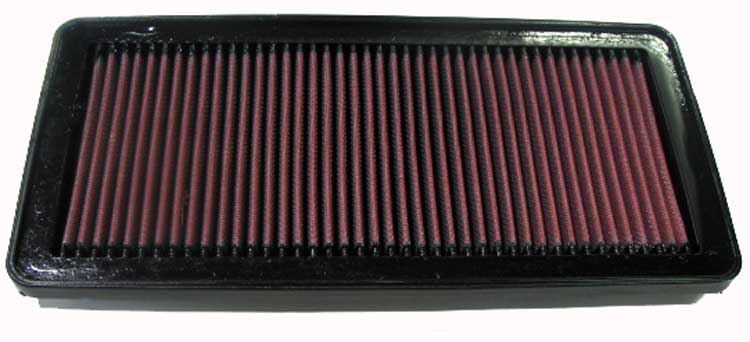
The K&N drop-in part number is 33-2178. That is to use in the OEM air box. It is the same size and shape as the OEM filter.
I have not seen any dyno numbers to see how much power is gained by removing the resonator and swaping in the K&N filter.
I have not seen any dyno numbers to see how much power is gained by removing the resonator and swaping in the K&N filter.



 Id rather talk to you in the forums though

Thread
Thread Starter
Forum
Replies
Last Post
rp_guy
Member Cars for Sale
9
Jul 16, 2017 07:33 AM
CL-S progression 01
Car Parts for Sale
65
Jan 26, 2016 04:15 PM
