When you click on links to various merchants on this site and make a purchase, this can result in this site earning a commission. Affiliate programs and affiliations include, but are not limited to, the eBay Partner Network.
Finally got around to doing the transfer case fluid change. It's probably the most "difficult" fluid service to do so far from a physicality standpoint. All said and done, start to finish, with lifting the car up, finding some tunes to listen to, figuring everything out, getting the tools I needed, taking pics and then dropping the car back down it took me 1hr & 10mins. Second time around I could easily split that time in half. So, I'd slot an hour or so of time out if you're planning to tackle this yourself.
These are the tools you'll need. Flathead screwdriver, 3/8" ratchet (long handle preferred), 12" 3/8" extension (or something in this range), drain pan and fluid. Honda's fluid is 75W-85, I used 75W-90 Full Syn (yes, it's fine). You can also add washers to the service.
If you're planning on using one of these nifty "squeeze packs" they sell now for diff fluid, the standard nipple is NOT long enough. I had to cut some nylon hose to extend it to fill the transfer case back up. If you don't, a lot of fluid will just pour out. Honestly, this may be one of the few times where a hand pump might have actually been the better route to go.
I did my best to take a pic of the fill plug. ALWAYS open the fill plug before you drain on any fluid service. You can see the nut right next to where the driveshaft inputs into the transfer case. With an extension, it takes a good amount of force to break this loose (hence why a long handle ratchet is preferred). You WILL need a long extension to be able to reach this nut because the crossmember in the foreground is in the way and there's really no space to get a stubby ratchet in there. Another note, this is much easier to access crawling under the car from the side (I went driver's side). The access point is pretty far back, so you'll be crawling quite a ways if you go from the front of the car.
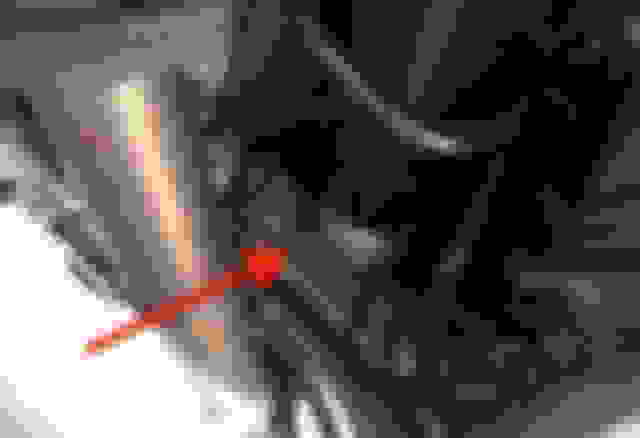
Drain Plug. You will need to remove the underbody cover for the oil change side in order to access this plug. It's easy enough to get to. Easiest access point is from the front of the car. This is why this service was a bit more physical, crawling in and out from different points.
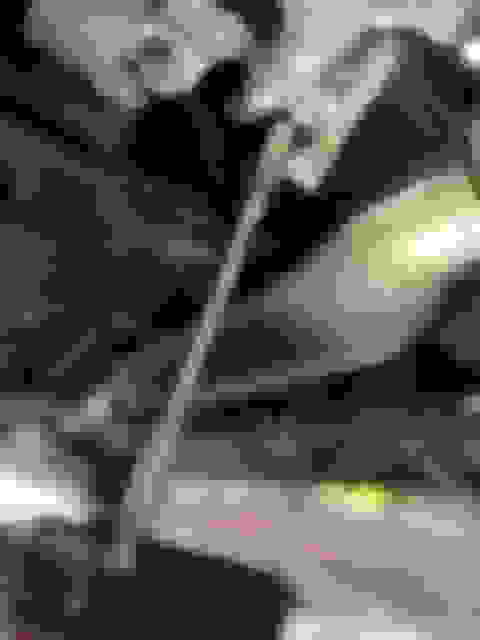
Just a picture of how I got the ratchet + extension on the fill plug. Again, easiest access is from the side of the vehicle. You can see why the long extension & handle is needed. The handle of my ratchet is almost right up against the crossmember. Extensions eat up torque, so it will take a good amount of force to crack her open.
And easy enough to do the drain plug.
Open the drain plug into your drain pan (it doesn't splash on anything, thankfully), button it up and then refill.
Looking at previous service write-ups, they used 33ft lbs on the plugs. I used the German standard of Gudentite-ft-lbs to secure both. As long as you're not cranking on them like a gorilla or limp-wristing them while tightening everything back up, you'll be fine.
If you're planning on using the squeeze pack, it's a bit of a chore to snake it in there and fill, but definitely do-able. Fill it slowly. If you fill too fast, you could get a false full reading (you fill until fluid exits the fill plug). Also, position your drain pan underneath to catch the overflow. Towels/rags will be needed to clean off the underbody. Once again, Acura did a good job engineering this as it doesn't get too crazy dripping on stuff. It still gets places, but nowhere near as bad as some.
As an aside, I found fluid weeping from where the transfer case mates to the transmission. When I pulled the drain plug, the fluid did seem low. Yes, 0.61qts is nothing, but it seemed like there wasn't even that much in it. The car has 21k miles on it. Stupidly, I wiped it all down without snapping pictures. I'll have to monitor during future fluid changes to see if it's going to be an issue. Just something to look out for ... or, if you don't do the service yourself, something to mention to the service department to see if its an issue. I'm sure they'll tell you it's normal ... until your warranty runs out, of course.
Last edited by leomio2.0; Aug 25, 2022 at 11:19 AM.
Great write up @leomio2.0 . Even if I still had my RDX, I wouldn't be doing this, for two reasons. Mine was FWD, and sadly, I am no longer able to get down and under cars.
Great write up @leomio2.0 . Even if I still had my RDX, I wouldn't be doing this, for two reasons. Mine was FWD, and sadly, I am no longer able to get down and under cars.
LoL. Yes, SH-AWD only, in case someone with FWD goes looking for their transfer case.
I'll enjoy wrenching on my car as long as my lower back can tolerate it. Seems like the days are numbered, sadly.
Finally got around to doing the transfer case fluid change. It's probably the most "difficult" fluid service to do so far from a physicality standpoint. All said and done, start to finish, with lifting the car up, finding some tunes to listen to, figuring everything out, getting the tools I needed, taking pics and then dropping the car back down it took me 1hr & 10mins. Second time around I could easily split that time in half. So, I'd slot an hour or so of time out if you're planning to tackle this yourself.
These are the tools you'll need. Flathead screwdriver, 3/8" ratchet (long handle preferred), 12" 3/8" extension (or something in this range), drain pan and fluid. Honda's fluid is 75W-85, I used 75W-90 Full Syn (yes, it's fine). You can also add washers to the service.
If you're planning on using one of these nifty "squeeze packs" they sell now for diff fluid, the standard nipple is NOT long enough. I had to cut some nylon hose to extend it to fill the transfer case back up. If you don't, a lot of fluid will just pour out. Honestly, this may be one of the few times where a hand pump might have actually been the better route to go.
I did my best to take a pic of the fill plug. ALWAYS open the fill plug before you drain on any fluid service. You can see the nut right next to where the driveshaft inputs into the transfer case. With an extension, it takes a good amount of force to break this loose (hence why a long handle ratchet is preferred). You WILL need a long extension to be able to reach this nut because the crossmember in the foreground is in the way and there's really no space to get a stubby ratchet in there. Another note, this is much easier to access crawling under the car from the side (I went driver's side). The access point is pretty far back, so you'll be crawling quite a ways if you go from the front of the car.
Drain Plug. You will need to remove the underbody cover for the oil change side in order to access this plug. It's easy enough to get to. Easiest access point is from the front of the car. This is why this service was a bit more physical, crawling in and out from different points.
Just a picture of how I got the ratchet + extension on the fill plug. Again, easiest access is from the side of the vehicle. You can see why the long extension & handle is needed. The handle of my ratchet is almost right up against the crossmember. Extensions eat up torque, so it will take a good amount of force to crack her open.
And easy enough to do the drain plug.
Open the drain plug into your drain pan (it doesn't splash on anything, thankfully), button it up and then refill.
Looking at previous service write-ups, they used 33ft lbs on the plugs. I used the German standard of Gudentite-ft-lbs to secure both. As long as you're not cranking on them like a gorilla or limp-wristing them while tightening everything back up, you'll be fine.
If you're planning on using the squeeze pack, it's a bit of a chore to snake it in there and fill, but definitely do-able. Fill it slowly. If you fill too fast, you could get a false full reading (you fill until fluid exits the fill plug). Also, position your drain pan underneath to catch the overflow. Towels/rags will be needed to clean off the underbody. Once again, Acura did a good job engineering this as it doesn't get too crazy dripping on stuff. It still gets places, but nowhere near as bad as some.
As an aside, I found fluid weeping from where the transfer case mates to the transmission. When I pulled the drain plug, the fluid did seem low. Yes, 0.61qts is nothing, but it seemed like there wasn't even that much in it. The car has 21k miles on it. Stupidly, I wiped it all down without snapping pictures. I'll have to monitor during future fluid changes to see if it's going to be an issue. Just something to look out for ... or, if you don't do the service yourself, something to mention to the service department to see if its an issue. I'm sure they'll tell you it's normal ... until your warranty runs out, of course.
Are front differential and transfer case are the same?
The reason it flows out so readily is because the fill hole is actually a blind end except for a small passage way at the bottom on the right. If you want to fill it more easily, you have to snake a smaller tube by feel down the smaller passage. Otherwise, when you pump in the oil just through the fill hole, and you do it quickly, a lot spills out because of this partial obstruction. It’s a terrible design.
The reason it flows out so readily is because the fill hole is actually a blind end except for a small passage way at the bottom on the right. If you want to fill it more easily, you have to snake a smaller tube by feel down the smaller passage. Otherwise, when you pump in the oil just through the fill hole, and you do it quickly, a lot spills out because of this partial obstruction. It’s a terrible design.
How small of a tube? I may take a look with a camera before I start filling, but would like to have whatever I need on hand before starting the procedure.
You guys gave me enough paranoia, 15k miles later after I changed transfer fluid I will be doing a level check. Just damn cold in the garage. Will let you know if I will be be able to add more fluid
This guy shows how to do it on the TLX type s which looks the same as the RDX. He has a close up that shows the blockage and the small opening on the right, indeed it's a stupid design.
Yeah I've seen that video as well and he does show it a bit, but it's not a very clear shot and he doesn't specifically mention this. He also doesn't say how big of a tube you need to go into the smaller hole. He uses a large diameter tube and you can see it only goes in a bit, as far as the back wall there. You can also see oil spilling out 2-3 seconds after he starts pumping. To a novice, this could give a false impression that the transfer case is filled when it is not even close.
Just like filling the trans fluid, you just need to hold the hose end stedy, angle down and pump slowly, it's a huge PITA!
Didn’t realize the trans is the same issue. Is the fill hole a blind end except for a passage at the end?? I haven’t seen anyone mention this or that the oil comes out if pumped in too fast.
Didn’t realize the trans is the same issue. Is the fill hole a blind end except for a passage at the end?? I haven’t seen anyone mention this or that the oil comes out if pumped in too fast.
for transmission there was an easy way discovered by one of the member, I used this method myself.
you have to snake clear OD tube (forgot which size) from top of the hood into a fill hole.
you can then attach funnel and fill from the top. It will be a big pain to pump by hand 5qt of fluid.
transmission fluid flows easily into a fill hole, no restrictions
Didn’t realize the trans is the same issue. Is the fill hole a blind end except for a passage at the end?? I haven’t seen anyone mention this or that the oil comes out if pumped in too fast.
I'm not sure if it's the same or not but def have to go slow with the trans too or fluid will come out prematurely.
Originally Posted by russianDude
for transmission there was an easy way discovered by one of the member, I used this method myself.
you have to snake clear OD tube (forgot which size) from top of the hood into a fill hole.
you can then attach funnel and fill from the top. It will be a big pain to pump by hand 5qt of fluid.
transmission fluid flows easily into a fill hole, no restrictions
What fill hole?! Def pumping 5qts by hand sucks ass!
What fill hole?! Def pumping 5qts by hand sucks ass!
Transmission case has a fill plug.
Transmission fluid will flow easily with method I described. Transmission fill port is wide and no blockage like transfer case
Oh I read that wrong, you just mean using the normal fill hole on the front of the trans but doing it from above, I thought you were referring to another location to fill the trans from.
Oh I read that wrong, you just mean using the normal fill hole on the front of the trans but doing it from above, I thought you were referring to another location to fill the trans from.
yes, the other end of the tube will be over your radiator top, and you just fill while standing on your legs rather than lying down and pumping
You guys gave me enough paranoia, 15k miles later after I changed transfer fluid I will be doing a level check. Just damn cold in the garage. Will let you know if I will be be able to add more fluid
Ended up checking level while was rotating tires. The level was good, even some fluid came out when I removed the plug (the car was leveled).
Even with a 1/4" OD tube extension on my pump hose and pumping very slowly, it still tended to backflow before it was full. Next time I may do the service with only the rear end lifted, then raise the front to get the final level set after it is filled.
I did the service tonight and took a photo of the fill hole passage way. At the end on the right, there is a small shaft that goes down and that’s where the fluid needs to go. Whoever designed this is a complete idiot. Wtf. The smallest diameter tubing I had was 1/4 inch and it didn’t fit, or even if it did, I couldn’t snake it in blindly. I anticipated that this might be an issue.
So, I lifted the ass of the car and pumped fluid in slowly. The fluid drained in by gravity. I used an oil syringe and measured exactly 0.61 quarts so levelling wasn’t an issue. There was very minimal backflow with this method. At one point there was some backflow and I just backed off on how fast I pumped in the fluid. I put some blue paper towel under the fill hole as I filled and based on the look of the towel, the total backflow was maybe 5 mL.