When you click on links to various merchants on this site and make a purchase, this can result in this site earning a commission. Affiliate programs and affiliations include, but are not limited to, the eBay Partner Network.
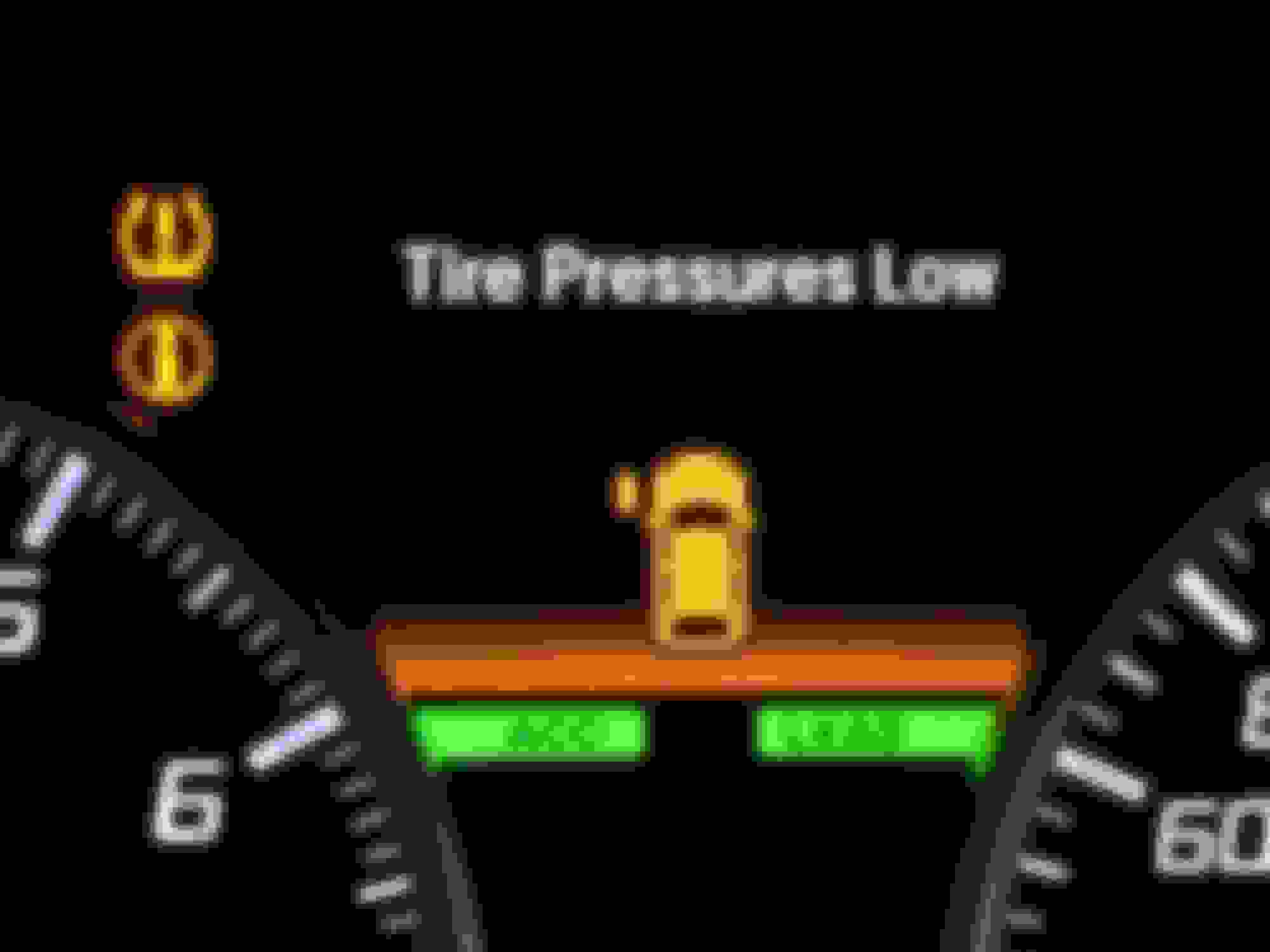
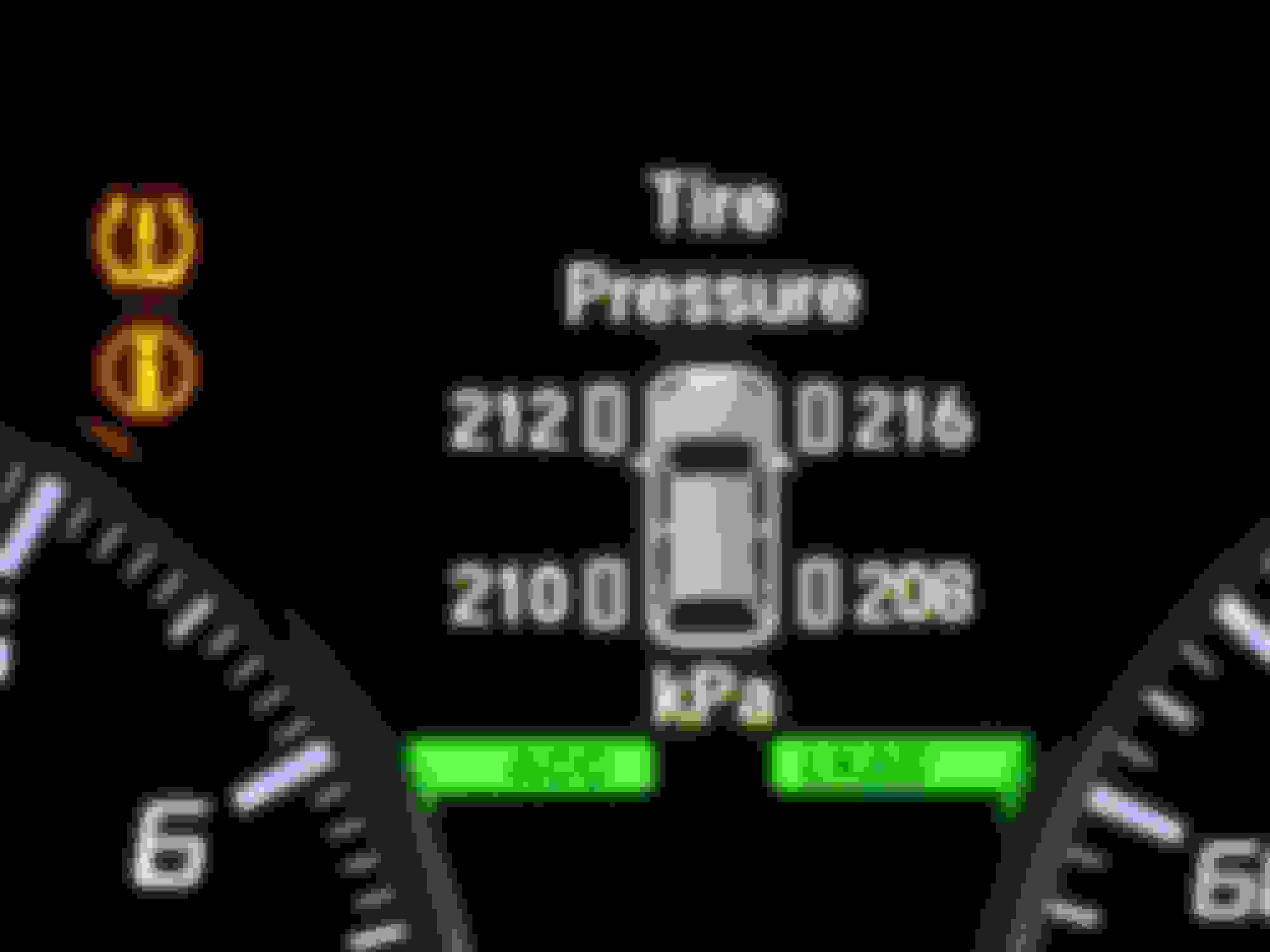
After I swapped winter tires by myself, there is a low tire pressure warning for the left front tire. However, the tire pressure number looks okay. Can anybody help? Images attached.
they might be on the cusp of the trigger.
i converted kPa to PSI and the tires look to be at 30PSI.
I know my car triggers at 28PSI. 30PSI could be the trigger point for these new cars
I agree with justnspace, the tire giving the alert is currently at 212 KPA (30.7 PSI). It might be even lower than 212 KPA after sitting overnight.
The owners manual says it should be set to 240 KPA (35 PSI) after sitting overnight. I'm pretty sure that being 4-5 PSI lower than expected would cause the alarm.
Cold weather period. I have had this problem with my 2017. After driving for a bit, it went away.
Yes, cold weather does cause tire pressure to drop. As a rule of thumb the tire pressure will drop 1 PSI for every 10'F drop in temperature.
It is also true that after driving a vehicle for a period of time (winter or summer) the tire pressure will rise. In fact it may rise high enough to turn off the low pressure alarm on the OP's MID.
The thing is that the tires should be adjusted to the correct pressure when they are cold, preferable after sitting at least 12 hours overnight. If the tires only reach the correct pressure after driving, then that doesn't count as being the correct inflation pressure.
This means that tires will need to have air added during the colder months, and then that air will need to be released as the warmer weather returns. Supposedly one of the benefits of putting nitrogen in a tire is to reduce the pressure changes caused by temperature changes, but it doesn't eliminate the problem entirely.
Yes, cold weather does cause tire pressure to drop. As a rule of thumb the tire pressure will drop 1 PSI for every 10'F drop in temperature.
It is also true that after driving a vehicle for a period of time (winter or summer) the tire pressure will rise. In fact it may rise high enough to turn off the low pressure alarm on the OP's MID.
The thing is that the tires should be adjusted to the correct pressure when they are cold, preferable after sitting at least 12 hours overnight. If the tires only reach the correct pressure after driving, then that doesn't count as being the correct inflation pressure.
This means that tires will need to have air added during the colder months, and then that air will need to be released as the warmer weather returns. Supposedly one of the benefits of putting nitrogen in a tire is to reduce the pressure changes caused by temperature changes, but it doesn't eliminate the problem entirely.
35 PSI is a bare minimum when the tires are cold. I personally run all four tires at 37 PSI. I like the added sportiness and handling of this setting. Sure, it may give up a small amount of ride comfort but I prefer the added sportiness regardless.